
ElevioBiz
How Medical AI Automation Saves Time
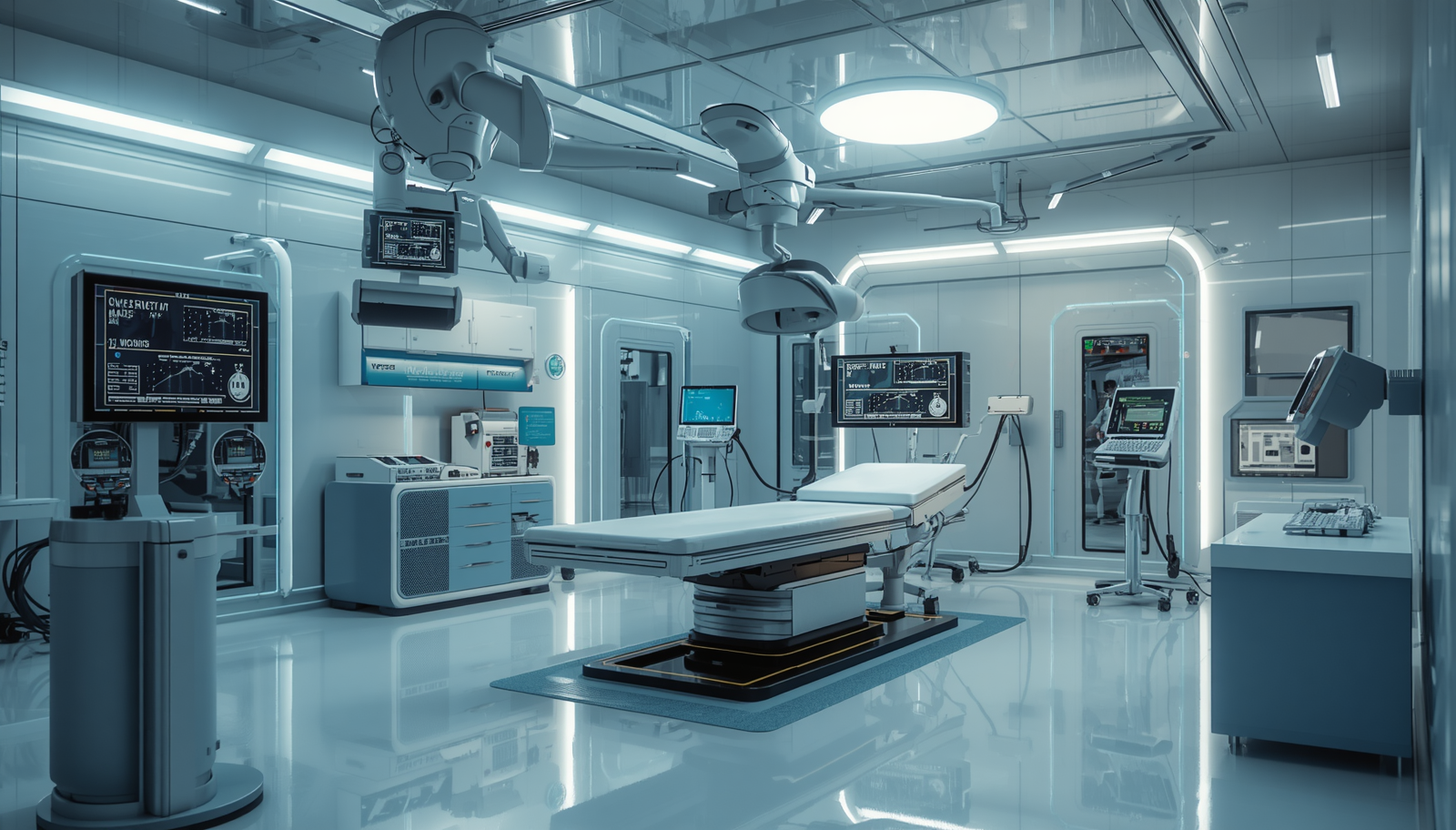
Every week, healthcare providers have to complete hundreds of tasks. Patients are provided with care, patient records are kept by nurses, receptionists answer phones, and administrative staff arrange appointments and bills. As time passes, patient numbers will rise, making it difficult for medical practices to efficiently and effectively provide patient care and administrative duties.
AI Automation reduces repetitive tasks, enhances communication, and improves time efficiency for clinics and hospitals. AI does not replace workers in the health care industry, but it is there to assist the worker, making them efficient, organized, and manageable. An
An AI Medical Receptionist and a modern Patient Management System are part of the technology that healthcare organizations are embracing to improve patient experience and make it more efficient.
Why Time Management Is a Major Problem in Medical Practices
Administrative duties consume a lot of medical practices’ time daily. Employees respond to calls, handle scheduling, input patient information, remind patients, and oversee department communication.
The challenges are difficult to keep track of manually as clinics become busier. Many health care offices have issues of lengthy wait times, cancellation of appointments, busy records, and late communication with patients. Patients’ satisfaction and staff productivity are impacted by these operational delays.
Understand how an AI Medical Receptionist can enhance efficiency.
An AI Medical Receptionist helps clinics in streamlining their front-desk tasks. During busy periods, reception teams can be overwhelmed by taking calls, making appointments, dealing with cancellations, and fielding patient queries at the same time.
There are many roles that can be automated by AI-powered systems. Patients can book appointments, make changes in schedules, ask questions, and get reminders automatically without having to wait for staff help. AI systems are always on, allowing patients to communicate with the clinic at any time.
Minimising missed calls and missed appointments.
One common thing in busy medical practices is missed calls. If receptionists are unable to answer all incoming calls, they risk losing appointments and alienating patients.
In this situation, an AI Medical Receptionist can help by handling several conversations simultaneously. Immediate responses for patients, no long wait in the queue. Automated reminders via call, text, or email also reduce missed appointments and scheduling confusion, with the help of the AI systems.
How a Patient Management System Can Save Time?
Healthcare providers make it more efficient to organize and access patient data using a modern Patient Management System. Doctors and healthcare employees can access medical records, medications, appointments, billing details, and lab results in one place rather than navigating multiple software systems or paper files.
This helps departments communicate more easily and reduces delays caused by manual searching. Healthcare practitioners can easily access the latest patient information and make informed decisions during consultations.
Minimize manual data input and administrative mistakes.
Mistakes like duplicate records, wrong appointment scheduling, or missing patient details are common due to manual administrative tasks. These mistakes cause extra work as staff have to allocate time to resolving issues at a later stage.
A Patient Management System eliminates these risks by automatically updating information among integrated systems. This reduces repetitive data entry and enhances operational accuracy.
Using AI Automation to Enhance Appointment Scheduling
One of the most time-consuming tasks of the healthcare administration is appointment scheduling. Manual scheduling has the potential to cause scheduling conflicts, delays, and communication problems.
AI automation simplifies this process by instantly checking doctor availability, offering open time slots, confirming appointments, and sending reminders automatically.
An AI Medical Receptionist also makes appointments, scheduling more flexibly. The patient can book appointments at any time without depending on office hours.
How AI Improves Patient Communication
There is a tendency to delay communication in health care practices, particularly during peak hours. Patients frequently have to wait days or even weeks to confirm their appointments, receive their prescriptions, or get answers to simple questions.
With AI technology, communication responses can be automated and performed instantly by AI virtual assistants, improving communication speed. Unlike human receptionists, an AI Medical Receptionist can provide information about the clinic’s hours, appointment availability, insurance requirements, and post-visit recommendations without needing human assistance.
Automated notifications reminder
Automated appointment reminders, prescription refill reminders, billing reminders, and post-treatment instructions are also examples of reminders that AI systems can send. This helps keep your patients updated and helps to eliminate an administrative burden.
When they receive better communication, it’s easier for patients to be satisfied with the care they’re receiving, as they get support and information when they need it.
Reducing Administrative Burden
Doctors spend a lot of time on administrative work instead of patient interaction and treatment. AI automation can handle daily tasks, freeing up time for healthcare professionals to focus on patient care.
This enables doctors to:
- Increase time spent during consultations
- Improve patient communication
- Concentrate on treatment planning.
- Minimise work stress and burnout
This Improved time management leads to improved health care quality and staff satisfaction.
The Growing Importance of AI in Healthcare
The healthcare systems are continually demanding more each year. Expectations of patients are still being raised, and many clinics are understaffed and facing operating challenges.
That’s why AI automation is now a viable option, not a technology that you’re forced to choose. From large hospitals to small clinics and telehealth services, AI tools are making a significant impact in enhancing workflow efficiency and meeting the expanding demands of patients.
Wrapping up with AI Automation in Medical Practices
In the medical field, AI automation is making a significant impact on time-saving repetitive tasks, communication efficiency, and patient management processes.
An AI Medical Receptionist can enhance the efficiency of the front desk and scheduling, and a sophisticated Patient Management System can streamline patient data management.
All of these tools combine to take away administrative burdens and enable healthcare providers to concentrate more on patient care.